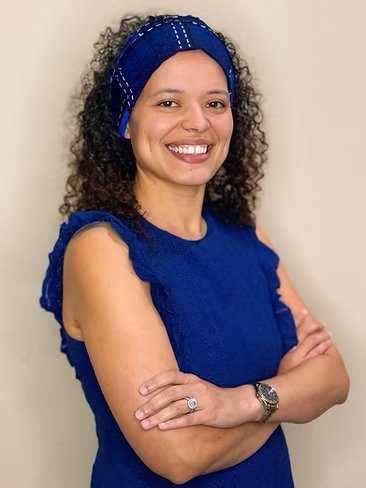
Octavia LaVon Martinez approaches medical license defense the way she approached felony prosecution — build the record first, force a decision, and never wait for the opposition to set the narrative.
Inside the Institution First
Octavia began her legal career on the defense side — representing institutional defendants in complex civil litigation, including medical malpractice defense. She worked alongside hospital systems and their counsel, developing a firsthand understanding of how those cases are built against licensed professionals: how records are read, how expert witnesses are deployed, how the institutional narrative is constructed before any formal proceeding begins.
That foundation matters. An attorney who has never sat on the institutional side does not understand what they are defending against. Octavia does — because she built those cases first.
Then Inside the Prosecution
From civil defense, Octavia moved to the Maricopa County Attorney's Office as a felony prosecutor. There she learned how the state constructs a record, what forces a dismissal decision, and what separates the cases that collapse early from the ones that reach trial. Prosecution is not about advocacy — it is about building an airtight record and forcing the other side to respond to it.
That is exactly the posture The Counter Protocol is built on. Do not wait for the board to build its case. Build yours first. Force a decision. Do not respond — counter.
Criminal Defense in Texas
When Octavia reactivated her Texas license and moved into private practice, she added criminal defense work — giving her direct experience on the defense side of state-initiated proceedings. She now understands how the state builds its record, how to dismantle it, and how to create the conditions for dismissal before a matter ever reaches a hearing.
The combination — institutional defense, state prosecution, criminal defense — is a complete 360-degree view of how adversarial proceedings work from every angle. Most license defense attorneys have seen one of those perspectives. Octavia has seen all three.
The Medical Professional Practice
Most attorneys who accept board complaints have never seen what Octavia has seen — the inside of an institutional defense, the inside of a prosecution, the inside of a criminal defense. That breadth is not incidental. It is the precise background that licensing board defense demands.
A board complaint is not a lawsuit. It is a regulatory proceeding with investigative authority, its own timeline, and the power to permanently end a career — one that operates far more like a criminal prosecution than a civil matter. It requires the same ferocity and intelligence, applied by someone who also understands the clinical and institutional landscape the complaint came from. And because many complaints are politically motivated or tied to organized interests, it demands an attorney who is beholden to no one — no local allegiances, no institutional loyalties, no competing interests that soften the approach.
Octavia is that attorney.
The exposure rarely stops at the complaint itself. Hospital privileges, NPDB reporting, credentialing panels, and employment disputes are all in motion simultaneously — and the strategy for each affects the others.
For licensed healthcare professionals, the board complaint, the employment dispute, and the NPDB record are never separate problems. This firm treats them as one.
How the Firm Operates
Octavia LaVon Martinez PLLC is a boutique firm. Octavia builds the strategy on every case, leads every engagement, and is personally involved from the strategy session through resolution.
The firm is fully virtual, serving physicians and licensed healthcare professionals across all of Texas. No office visit required at any stage.